Articles
Circular economy in the IT world
Tuulia Virhiä

Purchasing IT equipment
If an organisation wants to be involved in promoting the circular economy and more sustainable operations, it is important to consider the purchase phase and process. During the purchase phase, an organisation can make a conscious decision about how much, for example, the purchased equipment contains materials that can be recycled in the future, or whether it already contains recycled materials. It is also a good idea to consider the equipment's CO₂ emissions during the purchase phase.
Sustainability criteria must be included in the purchase process alongside technological criteria. In this way, a decision is made to purchase equipment that is long-lasting and can ultimately be recycled into raw materials as efficiently as possible.
The lifetime and extension of the lifetime of IT equipment
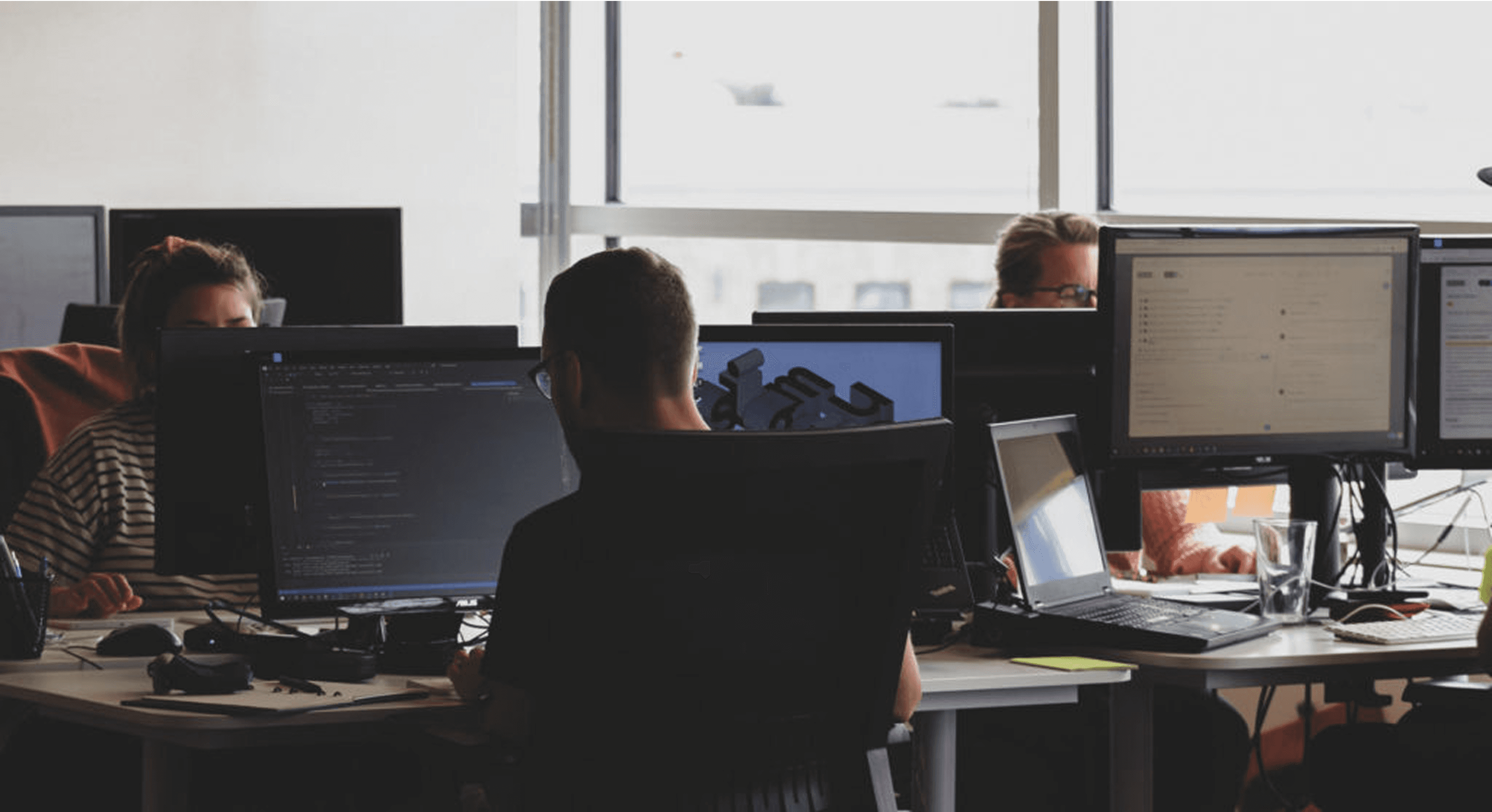
Maximising the lifespan of a device within its initial deployment is key to a functioning circular economy. This way, the device’s lifetime can be optimised with technology.
IT can support this by monitoring the physical condition of the devices and the functionality of the software. The lifetime of the devices can be extended through effective remote management, maintenance, and a general understanding of what is happening inside the devices.
SwanIT's services for responsible end-of-life treatment are specifically designed to extend the lifespan of devices, which can save the company large sums of money.
Raw materials and recycling
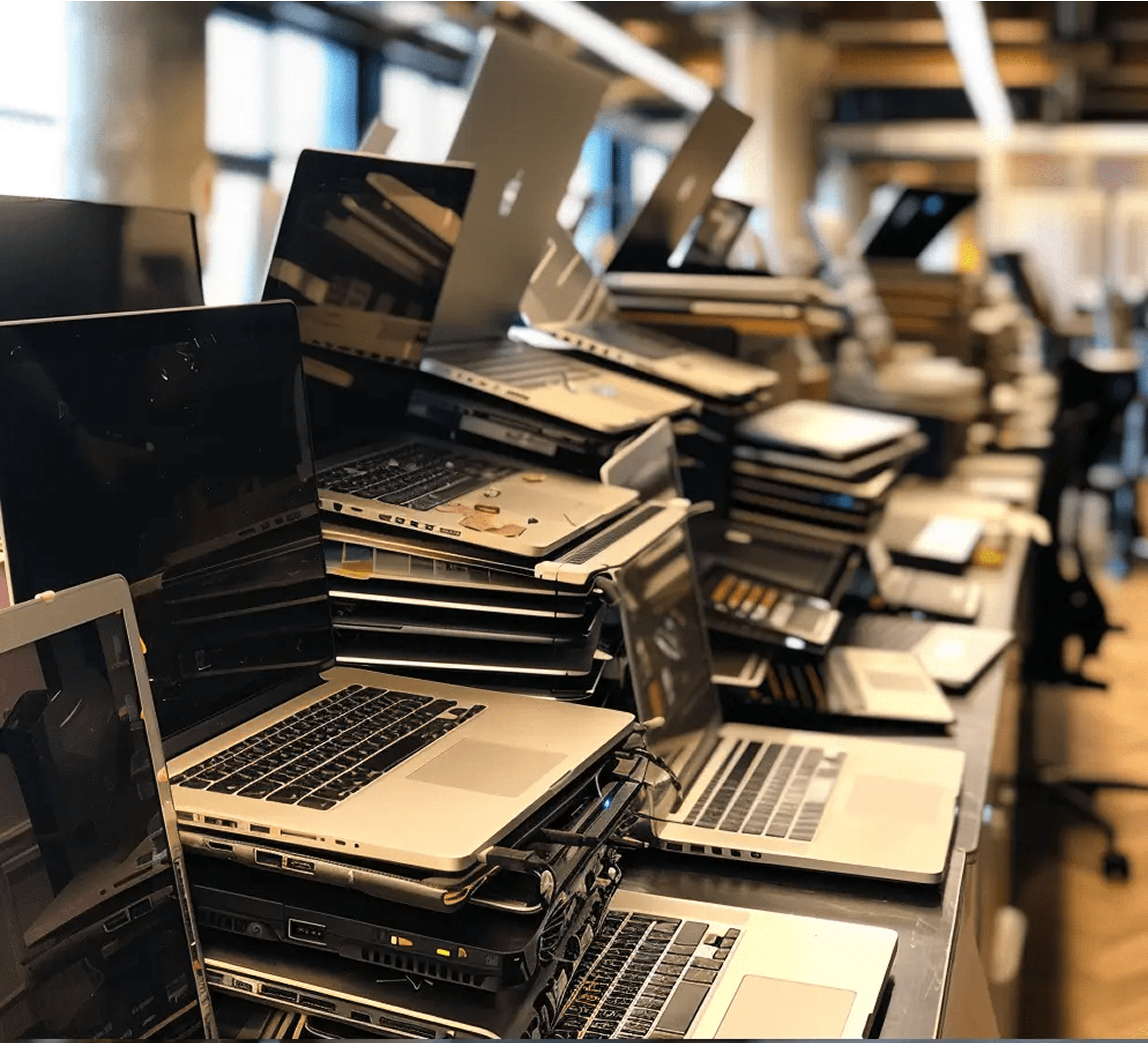
If a device changes users within the organisation, the circular economy can still be implemented, provided the organisation ensures the device is recycled. However, if the device is sold to a location where its end-of-life handling cannot be known, then we can no longer talk about the circular economy.
The most effective way is for the organisation to, for example, rent the device as a service, with the device included in the circular economy promise. So, whenever the device's ownership or location changes, there is a high risk that the circular economy will break down if the partner cannot verify the collection and recycling of raw materials.
The device can, of course, be recycled from one organisation to another. As long as we ensure the device ends up in the third and final step of our IT circular economy definition (i.e., raw materials and recycling), that's fine.
The device should therefore end up in the service of an operator, where it is dismantled, its raw materials are recovered, and those materials are used industrially in the form of new products.
These new products do not have to be just IT equipment; all collected material reduces the need for new raw materials worldwide. This way, mining growth can be slowed, as mining has a significant impact on environmental and human rights issues.
Tangible benefits of the circular economy
Promoting human rights and environmental values.
Sustainability figures are public for organisations.
Organisations thus have to buy less, resulting in less money spent on devices.
Time is also saved. Device switching is done on a data-driven, needs-based, and flexible basis.
Related
More like this

Tuulia Virhiä
SavannaX has been selected for the Most Interesting in Data Economy 2026 - Data Economy Spotlight list by Data Spaces Alliance Finland. The recognition highlights SavannaX's work in helping organisations move away from fixed device replacement cycles toward lifecycle decisions based on real device health data.
Juhani Heinonen
SavannaX brings clear device visibility that simplifies IT management and reduces workload at Alupro
With SavannaX, the company now sees the real condition of every workstation from a single dashboard - making it possible to plan investments accurately, avoid unnecessary replacements, and extend device lifecycles with confidence.
Juhani Heinonen
With SavannaX, HL Group can see a clear, at-a-glance overview of the overall status of their device fleet and required actions, without having to search for information across multiple systems.
Certifications and standards
We’re certified for quality and sustainability
Our ISO 14001 and ISO 9001 certifications reflect our commitment to sustainability, consistency, and continual improvement in every stage of IT lifecycle management.

